How Significant Auto Injuries Can Affect Life Long Term
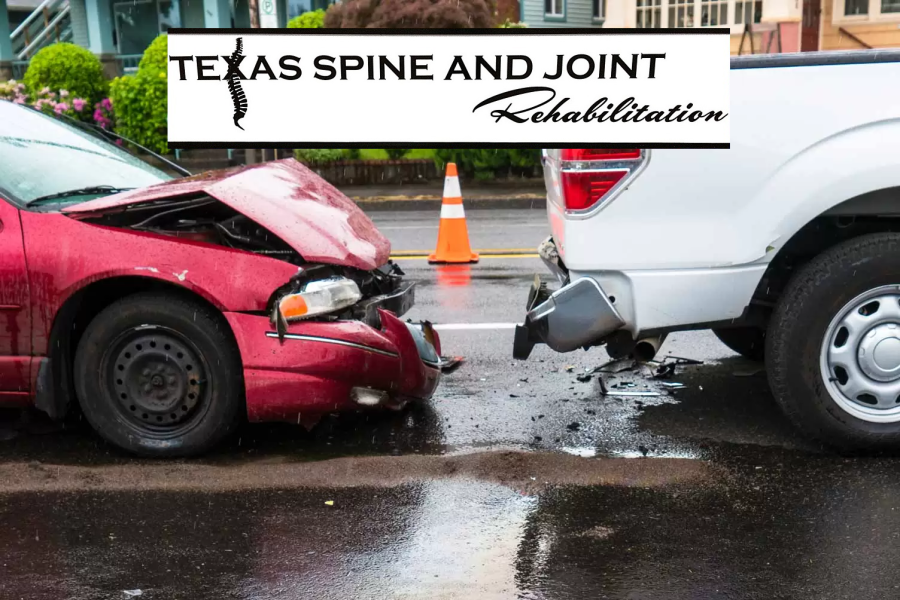
A serious auto accident can change a person’s life in seconds. While many injuries appear minor immediately after a collision, the long term consequences can continue for months, years, or even permanently if the condition is not properly evaluated and treated. Significant auto injuries commonly affect the spine, muscles, ligaments, discs, joints, and nervous system. Over time, untreated or poorly managed injuries may contribute to chronic pain, mobility limitations, emotional distress, reduced work performance, and decreased quality of life.
At Texas Spine and Joint Rehabilitation, Dr. Daniel L. Pennell, D.C. works with accident patients suffering from both acute and long standing complications following motor vehicle collisions. Early diagnosis and appropriate treatment are critical for helping patients reduce the risk of lifelong complications.
Research continues to show that trauma related injuries can contribute to chronic pain syndromes, long term disability, and psychological effects after significant accidents. Wikipedia
Why Some Auto Accident Injuries Become Chronic
One of the most misunderstood aspects of auto accident trauma is delayed symptoms. Many people feel relatively normal after an accident because adrenaline temporarily masks pain signals. Days later, symptoms begin to appear and progressively worsen.
When injuries are left untreated, the body may begin healing improperly. Scar tissue formation, chronic inflammation, joint instability, and altered biomechanics can create long term dysfunction throughout the spine and musculoskeletal system.
Common injuries that may create chronic complications include:
- Whiplash injuries
- Herniated or bulging spinal discs
- Ligament sprains
- Muscle tears
- Nerve compression
- Concussions and traumatic brain injuries
- Shoulder injuries
- Knee trauma
- Pelvic instability
- Facet joint injuries
Even low speed collisions can generate enough force to damage soft tissues and spinal structures.
Chronic Neck and Back Pain After an Accident
One of the most common long term complications after a motor vehicle collision is chronic neck and back pain. Damage to muscles, ligaments, spinal joints, or discs may continue causing symptoms long after the initial trauma.
Patients frequently experience:
- Stiffness
- Muscle spasms
- Reduced range of motion
- Radiating pain into the arms or legs
- Headaches
- Burning or tingling sensations
- Difficulty sitting or standing for long periods
Herniated discs are particularly concerning because they may place pressure on nearby nerves. Over time, nerve irritation can contribute to weakness, numbness, chronic inflammation, and degeneration.
Without proper treatment, these conditions may worsen with age and repetitive daily stress.
Long Term Degenerative Changes
Trauma from an accident may accelerate spinal degeneration. Injured joints and damaged discs often wear down faster than healthy structures.
Over time, patients may develop:
- Degenerative disc disease
- Arthritis
- Spinal instability
- Bone spur formation
- Chronic inflammation
- Reduced flexibility
Some patients begin experiencing recurring flare ups years after the original accident. Weather changes, physical activity, lifting, or prolonged sitting may trigger pain episodes tied to the prior injury.
This is why proper documentation and early treatment are extremely important following a crash.
The Emotional and Psychological Impact
Serious accidents affect more than just the body. Many patients experience emotional and psychological challenges after traumatic collisions.
These may include:
- Anxiety while driving
- Sleep disturbances
- Depression
- Post traumatic stress symptoms
- Irritability
- Fear of reinjury
- Difficulty concentrating
Chronic pain itself can significantly affect emotional health and overall quality of life. When physical pain continues for extended periods, it often impacts relationships, work performance, and daily activities.
Comprehensive accident care should address both the physical and emotional effects of trauma.
Mobility Limitations and Reduced Daily Function
Severe injuries can interfere with normal daily activities for years after an accident.
Patients may struggle with:
- Exercising
- Working
- Lifting objects
- Household activities
- Sports participation
- Driving comfortably
- Sleeping properly
Some individuals develop compensatory movement patterns because they subconsciously avoid painful motions. Unfortunately, compensation often places stress on other joints and muscles, creating secondary injuries throughout the body.
For example, a patient protecting an injured lower back may begin placing excess strain on the hips, knees, or shoulders.
Why Early Treatment Matters
The earlier accident injuries are identified, the better the chance of minimizing long term complications.
Comprehensive evaluation after an accident may include:
- Orthopedic examination
- Neurological testing
- Spinal evaluation
- Range of motion testing
- MRI referrals when clinically necessary
- Functional assessments
At Texas Spine and Joint Rehabilitation, Dr. Daniel L. Pennell, D.C. focuses on identifying hidden injuries that may not immediately appear after a crash.
Early conservative treatment may help:
- Reduce inflammation
- Improve mobility
- Restore spinal alignment
- Reduce scar tissue formation
- Improve circulation
- Minimize chronic pain development
- Support long term recovery
Patients who delay care often experience worsening symptoms and more complicated recovery timelines.
The Importance of Proper Documentation
Auto accident injuries should be thoroughly documented from the beginning. Proper medical documentation helps establish the connection between the accident and the injuries.
This becomes especially important if symptoms worsen months or years later.
Medical records may include:
- Physical findings
- Functional limitations
- Pain patterns
- Diagnostic imaging
- Treatment recommendations
- Progress evaluations
Detailed documentation may also become important for insurance claims and legal cases involving long term damages.
Conclusion
Significant auto injuries can have lasting effects on nearly every aspect of a person’s life. Chronic pain, reduced mobility, emotional distress, degenerative changes, and long term disability are all possible outcomes when accident injuries are not properly addressed.
Early diagnosis and comprehensive treatment are critical for protecting long term health and improving recovery outcomes. Dr. Daniel L. Pennell, D.C. and Texas Spine and Joint Rehabilitation are dedicated to helping accident patients receive thorough evaluations and personalized treatment plans designed to support recovery and long term function.
Schedule an Appointment at:
(972) 629-9181
A Receptionist is Available
24 hours - 7 days a week
✅ Same-day appointments
available
✅ We accept auto insurance and personal injury claims
✅ Walk-ins welcome
FAQ Section
Can auto accident injuries become permanent?
Yes. Certain injuries involving discs, nerves, ligaments, and joints may create chronic symptoms if left untreated or if the injury is severe enough.
Why do some accident injuries hurt worse later?
Adrenaline often masks pain immediately after an accident. Inflammation and tissue damage can worsen over the following days and weeks.
Can whiplash cause problems years later?
Yes. Whiplash injuries may contribute to chronic neck pain, headaches, stiffness, reduced mobility, and accelerated spinal degeneration over time.
Should I get evaluated even if my pain is mild?
Yes. Many injuries are hidden initially. Early evaluation helps identify problems before they become chronic.
Can auto accident injuries affect mental health?
Yes. Anxiety, depression, sleep disturbances, and post traumatic stress symptoms are common after serious collisions.
How can chiropractic and rehabilitation care help after an accident?
Conservative treatment may help reduce inflammation, improve mobility, restore function, reduce pain, and support long
term recovery after a collision.
 Print
Print