Sprains vs. Herniated Discs: Common Symptoms and What Is the Difference?
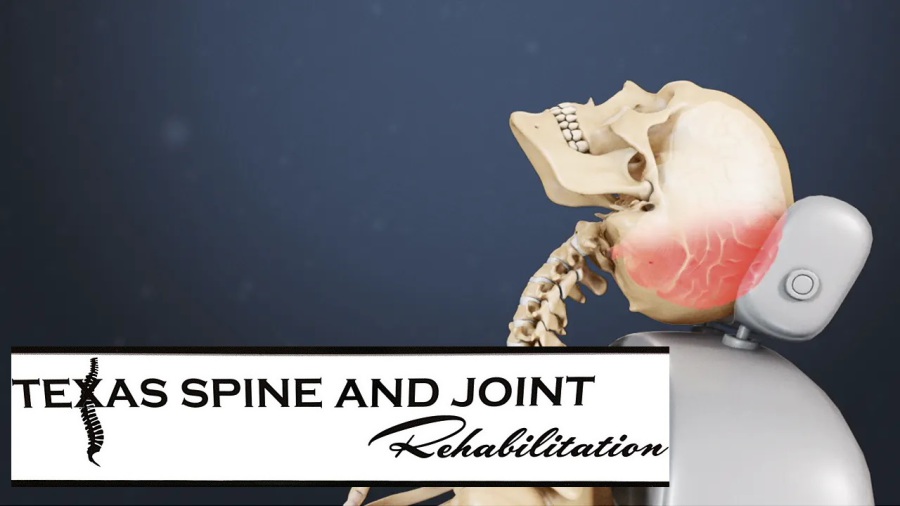
After an auto accident, patients often experience pain in the neck or back but are unsure of the cause. Two of the most common injuries are sprains and herniated discs. While both can result from the same type of trauma, they affect different structures in the body and require different approaches to treatment.
At Texas Spine and Joint Rehabilitation, Dr. Daniel L. Pennell, D.C. frequently evaluates patients with these conditions and understands how important it is to accurately diagnose the source of pain early in the recovery process.
What Is a Sprain?
A sprain occurs when ligaments, which connect bones together, are stretched or torn due to sudden force. In an auto accident, the body can move in unnatural ways, placing excessive stress on these supporting structures.
Sprains are commonly found in the neck and lower back after a collision. They can range from mild overstretching to more severe ligament damage.
Common Symptoms of a Sprain
Sprains often present with localized pain and stiffness. Patients may notice swelling or tenderness in the affected area, along with limited range of motion. Movement may feel restricted, and discomfort typically increases with activity.
In many cases, symptoms may not appear immediately. As inflammation builds, pain can become more noticeable within hours or days after the accident.
What Is a Herniated Disc?
A herniated disc occurs when the soft inner portion of a spinal disc pushes through its outer layer. This condition is often caused by the compression forces experienced during an auto accident.
Unlike sprains, herniated discs involve the spinal structure itself and can affect nearby nerves. This can lead to more widespread symptoms beyond the original injury site.
Common Symptoms of a Herniated Disc
Herniated discs often cause deeper, more persistent pain. Patients may experience sharp or radiating pain that travels into the arms or legs, depending on the location of the disc injury.
Other symptoms can include numbness, tingling, or weakness. These neurological signs are key indicators that a nerve may be involved.
Pain from a herniated disc may worsen with certain movements, sitting for long periods, or bending.
Key Differences Between Sprains and Herniated Discs
The primary difference between these two conditions lies in the structures affected. Sprains involve ligaments, while herniated discs involve the spinal discs and often impact surrounding nerves.
Sprain-related pain is usually localized and tied to movement, while herniated disc pain may radiate and include neurological symptoms. The severity and recovery timeline can also differ, with herniated discs often requiring more focused and extended care.
Because symptoms can overlap, a professional evaluation is essential to determine the exact cause of pain.
Why Proper Diagnosis Matters After an Auto Accident
Misidentifying a sprain as a minor injury when a disc issue is present can delay proper treatment and lead to long-term complications. Likewise, assuming nerve involvement without confirmation can result in unnecessary concern.
At Texas Spine and Joint Rehabilitation, Dr. Daniel L. Pennell, D.C. performs detailed evaluations to distinguish between these conditions. This ensures that patients receive the most appropriate care for their specific injury.
Treatment Approach for Each Condition
Treatment for sprains typically focuses on reducing inflammation, restoring mobility, and supporting healing of the ligaments. Care is often progressive, helping the body recover while preventing stiffness and weakness.
Herniated disc treatment is more focused on relieving pressure on the affected nerve, restoring spinal function, and reducing pain. This requires a more targeted approach to ensure proper healing and prevent further irritation.
Both conditions benefit from early intervention and consistent care.
When to Seek Care
If you have been in an auto accident and are experiencing pain, stiffness, or unusual sensations, it is important to seek evaluation as soon as possible. Waiting can allow symptoms to worsen and make recovery more difficult.
Early care helps identify whether your condition is a sprain, a herniated disc, or another type of injury.
Start Your Recovery with the Right Diagnosis
Understanding the difference between sprains and herniated discs is key to proper recovery. While both injuries can cause significant discomfort, the right diagnosis leads to the right treatment.
If you are searching for an accident doctor in Mesquite, Dr. Daniel L. Pennell, D.C. at Texas Spine and Joint Rehabilitation provides personalized, one-on-one care designed to help you heal fully and avoid long-term complications.
Schedule an Appointment at:
(972) 629-9181
A Receptionist is Available
24 hours - 7 days a week
✅ Same-day appointments
available
✅ We accept auto insurance and personal injury claims
✅ Walk-ins welcome
Frequently Asked Questions
What is the difference between a sprain and a herniated disc?
A sprain involves ligament damage, while a herniated disc involves the spinal discs and may affect nearby nerves.
Can a car accident cause both injuries?
Yes. The force of an accident can cause both ligament damage and disc injuries at the same time.
How do I know if I have a herniated disc?
Symptoms like radiating pain, numbness, or tingling often indicate nerve involvement associated with a herniated disc.
Are sprains less serious than herniated discs?
Not always. While sprains may heal faster, severe ligament injuries can still cause significant pain and limitations.
When should I seek treatment?
You should seek care as soon as possible after an accident to properly diagnose and treat your condition.
 Print
Print