Spring Rains and Driving Carefully
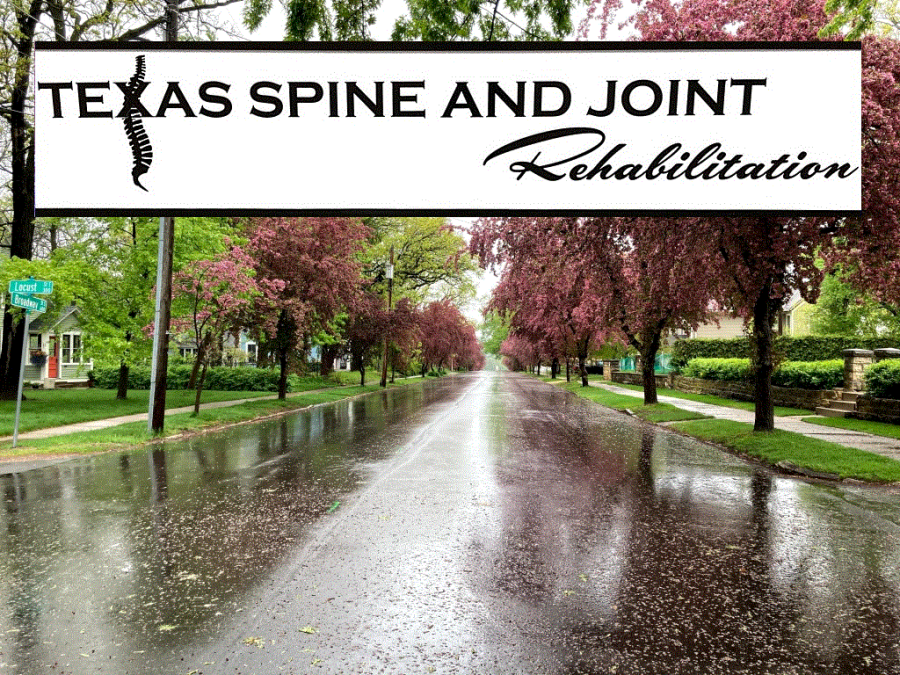
Spring in Texas often brings heavy rainfall, sudden thunderstorms, slick roads, and unpredictable driving conditions. While the rain can bring cooler temperatures and greener landscapes, it also creates a significant increase in motor vehicle accidents throughout Mesquite and the surrounding Dallas area. Wet pavement, reduced visibility, standing water, and distracted driving all contribute to dangerous road conditions during the spring season.
At Texas Spine and Joint Rehabilitation, Dr. Daniel L. Pennell, D.C. regularly sees patients who suffer injuries after rainy weather accidents. Even low speed collisions during wet road conditions can cause painful injuries involving the neck, back, shoulders, discs, and soft tissues. Understanding how spring rain affects driving can help reduce accidents and protect both drivers and passengers.
Why Spring Rain Makes Driving More Dangerous
Rain changes road conditions almost immediately. During dry weather, oils, dirt, and debris accumulate on road surfaces. When rain first begins, these substances mix with water and create extremely slick pavement. Many drivers underestimate how quickly traction can disappear.
Common hazards during spring rain include:
- Hydroplaning
- Longer stopping distances
- Reduced tire traction
- Foggy windows and poor visibility
- Distracted driving from storms
- Standing water hiding potholes
- Sudden braking by other drivers
Hydroplaning is especially dangerous because drivers temporarily lose contact between the tires and the road. This can cause a vehicle to slide uncontrollably, increasing the likelihood of collisions.
The Importance of Slowing Down
One of the biggest mistakes drivers make during spring storms is continuing to drive at normal speeds. Wet roads dramatically reduce traction, making it harder to stop quickly or avoid obstacles.
Drivers should:
- Reduce speed during rainfall
- Increase following distance
- Avoid sudden braking
- Turn headlights on
- Replace worn windshield wipers
- Ensure tires have proper tread depth
- Avoid using cruise control during rain
Even a few extra seconds of stopping distance can prevent a major accident.
Distracted Driving During Rainstorms
Rainy weather already places additional stress on drivers. When distractions are added, accident risks increase substantially. Cell phone use, adjusting navigation systems, eating, or even changing music can take attention away from the road long enough for an accident to occur.
During severe spring storms, drivers should remain fully focused and avoid multitasking behind the wheel. Defensive driving becomes even more important when visibility decreases.
Common Injuries After Rain Related Car Accidents
Many rainy weather accidents involve rear end collisions, side impacts, or sliding into barriers. Even minor crashes can produce injuries that worsen over time if left untreated.
Dr. Daniel L. Pennell, D.C. and Texas Spine and Joint Rehabilitation commonly evaluate injuries such as:
- Whiplash
- Neck pain
- Mid back injuries
- Lower back pain
- Herniated or bulging discs
- Shoulder injuries
- Headaches
- Muscle spasms
- Sciatica
- Ligament sprains and strains
Some patients may feel only mild soreness immediately after an accident but develop worsening pain several days later due to inflammation and soft tissue damage.
Why Prompt Evaluation Matters
After a rainy weather accident, early medical evaluation is extremely important. Delaying care can allow injuries to worsen and may complicate insurance claims later.
At Texas Spine and Joint Rehabilitation, patients receive comprehensive evaluations designed to identify both obvious and hidden injuries. Conservative treatment may include chiropractic care,therapeutic exercises, rehabilitation, and referrals for advanced imaging when necessary.
Early documentation also helps establish a clear connection between the accident and resulting injuries.
Driving Carefully Protects Everyone
Spring rain is unavoidable in Texas, but many accidents can be prevented through cautious driving habits. Drivers who slow down, stay alert, and allow extra travel time can significantly reduce accident risks.
If you or someone you know experiences neck pain, back pain, headaches, or stiffness after a rainy weather collision, seeking prompt evaluation can help prevent long term complications.
Dr. Daniel L. Pennell, D.C. and Texas Spine and Joint Rehabilitation are committed to helping accident victims recover safely and return to daily activities as quickly as possible.
Schedule an Appointment at:
(972) 629-9181
A Receptionist is Available
24 hours - 7 days a week
✅ Same-day appointments
available
✅ We accept auto insurance and personal injury claims
✅ Walk-ins welcome
Frequently Asked Questions
Can rain really increase the risk of car accidents?
Yes. Rain reduces tire traction, increases stopping distances, and limits visibility. Even light rain can make roads slippery and dangerous.
What should I do immediately after a rainy weather accident?
Move to a safe location if possible, call law enforcement, exchange insurance information, document the scene, and seek medical evaluation even if symptoms seem mild initially.
What injuries are common after hydroplaning accidents?
Whiplash, back injuries, disc injuries, headaches, and muscle strains are very common after hydroplaning or wet road collisions.
Should I see a doctor if soreness starts days later?
Yes. Many accident injuries develop gradually due to inflammation and soft tissue damage. Delayed symptoms are very common after car accidents.
How can chiropractic treatment help after an auto accident?
Chiropractic care may help improve mobility, reduce inflammation, decrease pain, and support recovery from musculoskeletal injuries after an accident.
 Print
Print