Complete Guide to Common Accident Injuries
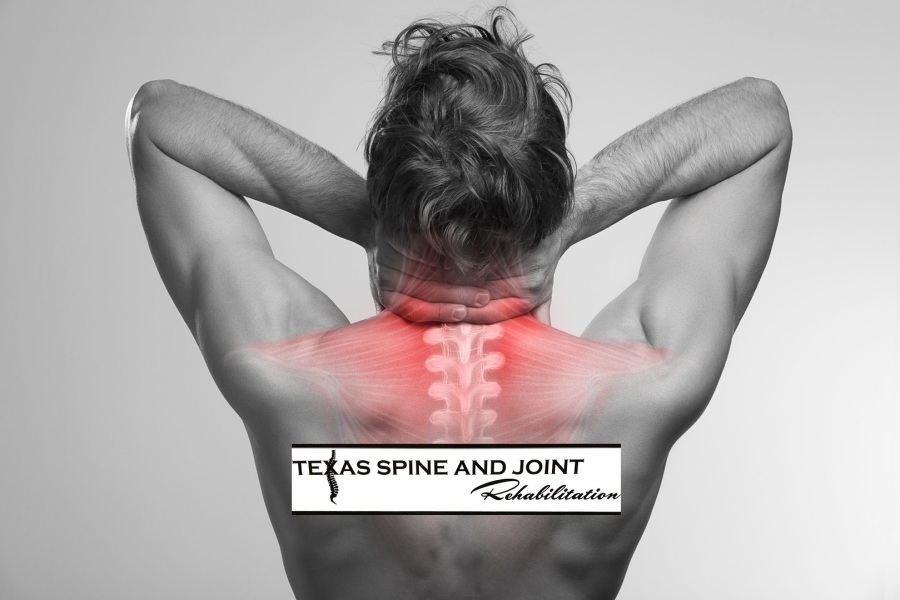
Motor vehicle accidents can result in a wide range of injuries, from mild muscle strains to serious spinal trauma. One of the most important things accident victims should understand is that symptoms do not always appear immediately. The adrenaline and stress response triggered during an accident can temporarily mask pain, causing injuries to go unnoticed for hours or even days.
Seeking prompt evaluation following an accident allows injuries to be identified early, reducing the risk of chronic pain and long-term complications. At Texas Spine and Joint Rehabilitation, Dr. Daniel L. Pennell, D.C. focuses on diagnosing and treating accident-related injuries using evidence-based chiropractic care and rehabilitation protocols designed to restore function and improve recovery outcomes.
Whiplash
Whiplash is among the most common injuries sustained during automobile collisions, particularly rear-end accidents. The sudden acceleration and deceleration forces cause the neck to move rapidly forward and backward, placing tremendous strain on muscles, ligaments, discs, and joints.
Common symptoms include:
• Neck pain and stiffness
• Reduced range of motion
• Headaches beginning at the base of the skull
• Shoulder pain
• Dizziness
• Tingling or numbness in the arms
Whiplash symptoms frequently develop several hours or days after an accident, making early evaluation extremely important.
Back Injuries
Back pain is another frequent complaint following motor vehicle accidents. Collision forces can damage muscles, ligaments, facet joints, and spinal discs.
Common back injuries include:
• Lumbar sprains and strains
• Herniated discs
• Facet joint injuries
• Thoracic spine injuries
• Muscle spasms
Symptoms may include:
• Lower back pain
• Pain radiating into the legs
• Numbness or tingling
• Weakness
• Difficulty standing or sitting for extended periods
Herniated and Bulging Discs
The impact generated during an accident can place tremendous pressure on spinal discs, causing them to bulge or rupture.
Disc injuries can result in:
• Sciatica
• Arm pain
• Numbness and tingling
• Muscle weakness
• Burning sensations
Advanced imaging such as MRI may be necessary if symptoms persist or neurological deficits are present.
Concussions and Mild Traumatic Brain Injuries
Not every concussion involves loss of consciousness. Many accident victims sustain mild traumatic brain injuries without realizing it immediately.
Warning signs include:
• Headaches
• Confusion
• Memory problems
• Sensitivity to light or noise
• Dizziness
• Difficulty concentrating
• Fatigue
Any suspected head injury should receive prompt medical evaluation.
Shoulder Injuries
Drivers often brace for impact by gripping the steering wheel, which places the shoulders in a vulnerable position during collisions.
Common shoulder injuries include:
• Rotator cuff strains
• Shoulder impingement
• Labral injuries
• Joint sprains
Persistent shoulder pain following an accident should never be ignored.
Knee Injuries
The dashboard, center console, or door panel frequently becomes the point of impact for the knees during a collision.
Common knee injuries include:
• Contusions
• Ligament sprains
• Meniscus injuries
• Patellar trauma
These injuries can lead to instability, swelling, and difficulty walking if left untreated.
Wrist and Hand Injuries
Drivers instinctively use their hands to brace themselves during impact, increasing the risk of upper extremity injuries.
Potential injuries include:
• Sprains
• Fractures
• Tendon injuries
• Nerve compression
Persistent pain or weakness warrants further evaluation.
Rib and Chest Injuries
Seat belts save lives but can also cause chest wall injuries during high-speed impacts.
Common examples include:
• Rib bruising
• Rib fractures
• Chest muscle strains
• Sternum injuries
Chest pain should always be evaluated to rule out more serious conditions.
Soft Tissue Injuries
Soft tissue injuries involve damage to muscles, tendons, and ligaments. Although these injuries may not appear on X-rays, they can produce significant pain and disability.
Symptoms often include:
• Swelling
• Stiffness
• Reduced mobility
• Muscle spasms
• Tenderness
Proper rehabilitation is essential to avoid chronic pain syndromes.
Delayed Symptoms After an Accident
Many accident injuries worsen over the first several days after a collision. Delayed symptoms are extremely common and should never be dismissed.
Watch for:
• Increasing headaches
• Neck stiffness
• Back pain
• Tingling sensations
• Sleep disturbances
• Fatigue
• Difficulty concentrating
Prompt treatment often leads to faster recovery and better long-term outcomes.
Comprehensive Accident Care in Mesquite
Dr. Daniel L. Pennell, D.C. and Texas Spine and Joint Rehabilitation provide comprehensive evaluations for accident victims throughout Mesquite and the surrounding communities. Treatment plans are individualized and may include chiropractic care, therapeutic exercise, rehabilitation, soft tissue therapy, and coordination with imaging facilities or medical specialists when necessary.
If you have been involved in an accident, even if your symptoms appear minor, obtaining an evaluation as soon as possible can make a significant difference in your recovery.
Schedule an Appointment at:
(972) 629-9181
A Receptionist is Available
24 hours - 7 days a week
✅ Same-day appointments
available
✅ We accept auto insurance and personal injury claims
✅ Walk-ins welcome
Frequently Asked Questions
How soon should I see a doctor after a car accident?
Ideally, you should be evaluated within 24 to 72 hours following an accident, even if symptoms are mild or absent.
Can accident injuries appear days later?
Yes. Whiplash, soft tissue injuries, headaches, and back pain frequently develop several days after a collision.
What is the most common car accident injury?
Whiplash remains the most common injury associated with motor vehicle accidents.
Do I need an MRI after an accident?
Not every patient requires an MRI. Advanced imaging is typically recommended when symptoms persist or neurological symptoms are present.
Can chiropractic treatment help after an accident?
Chiropractic care can help improve mobility, reduce pain, decrease inflammation, and assist with rehabilitation following many accident-related injuries.
Should I go to the emergency room after an accident?
Emergency care is appropriate if you experience severe pain, chest pain, shortness of breath, loss of consciousness, significant weakness, or suspected fractures.
 Print
Print