School Traffic and the Increase in Auto Accidents
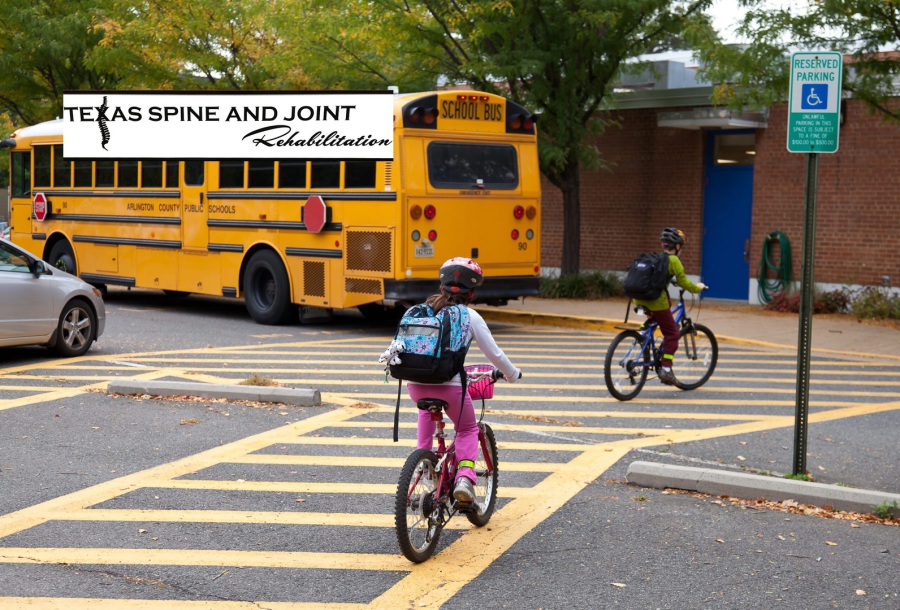
Every year, the return to school brings excitement for students and families, but it also creates one of the busiest and most dangerous driving periods of the year. School zones become congested with parents dropping off children, school buses making frequent stops, teenage drivers commuting to class, and pedestrians crossing busy intersections. This combination of increased traffic volume and distracted driving significantly raises the likelihood of motor vehicle accidents.
At Texas Spine and Joint Rehabilitation, Dr. Daniel L. Pennell, D.C. regularly treats patients who have been injured in collisions that occur during school traffic hours. While many of these crashes happen at lower speeds, they can still produce painful and long-lasting injuries that require professional evaluation and treatment.
Why School Traffic Increases Auto Accident Rates
The beginning and end of the school day create unique traffic conditions unlike any other time. Roads that are normally manageable suddenly become crowded with drivers operating under tight schedules.
Several factors contribute to the increase in accidents during school hours according to the auto accident doctor:
- Heavy congestion around school entrances
- Parents rushing to work after school drop-off
- Drivers making sudden stops in pickup lines
- Frequent lane changes near schools
- School buses stopping unexpectedly
- Children crossing streets unpredictably
- Increased pedestrian and bicycle traffic
- Teenage drivers with limited driving experience
- Distracted drivers using phones or navigation systems
- Reduced patience due to traffic delays
Even a brief lapse in attention can lead to a collision when traffic is constantly stopping and starting.
The Most Common Types of School Traffic Accidents
Rear-End Collisions
Rear-end accidents are among the most common crashes during school hours. Vehicles often stop suddenly when children enter crosswalks, buses activate their stop signs, or traffic backs up unexpectedly.
Even impacts under 15 mph can cause soft tissue injuries to the neck and back.
Intersection Accidents
Busy intersections surrounding schools experience significantly more vehicle activity. Drivers attempting to beat traffic lights or make hurried left turns may collide with oncoming vehicles.
These crashes often result in injuries affecting the spine, shoulders, hips, and knees.
Parking Lot Collisions
School parking lots become extremely congested during morning drop-off and afternoon pickup. Limited visibility, distracted pedestrians, and tight parking spaces increase the risk of low-speed collisions.
Although these accidents often produce minimal vehicle damage, occupants may still suffer injuries.
Pedestrian Accidents
Children may unexpectedly enter the roadway while crossing between parked cars or running to school. Drivers who are distracted or traveling too quickly through school zones may not have enough time to stop.
Pedestrian accidents frequently result in severe injuries that require immediate medical care.
School Bus Related Accidents
Motorists sometimes ignore flashing stop arms or attempt to pass stopped school buses illegally. These dangerous decisions can lead to catastrophic accidents involving children entering or exiting the bus.
Common Injuries Following School Traffic Accidents
Many people assume that if their vehicle has only minor damage, they cannot be seriously injured. Unfortunately, this is not always true.
Common injuries include:
Whiplash
The rapid forward-and-back movement of the head places tremendous stress on the muscles, ligaments, and joints of the cervical spine. Symptoms may include:
- Neck pain
- Headaches
- Shoulder tightness
- Limited range of motion
- Dizziness
Symptoms often develop several hours or even days after the accident.
Back Injuries
The force transmitted through the seat during a collision can strain muscles, damage spinal joints, or aggravate existing disc problems.
Patients commonly experience:
- Mid-back pain
- Lower back pain
- Muscle spasms
- Pain while standing or sitting
- Difficulty bending
Herniated or Bulging Discs
The impact from even moderate-speed accidents may cause spinal discs to bulge or herniate, placing pressure on nearby nerves.
Symptoms can include:
- Pain radiating into the arms or legs
- Tingling
- Numbness
- Muscle weakness
- Sciatica
Concussions
Head injuries may occur even without striking the steering wheel. The sudden movement of the brain inside the skull can produce a mild traumatic brain injury.
Watch for:
- Persistent headaches
- Confusion
- Memory problems
- Sensitivity to light
- Difficulty concentrating
Shoulder and Knee Injuries
Seat belts protect occupants but may also transfer crash forces to the shoulders and chest. Drivers frequently brace for impact, increasing the risk of shoulder, wrist, knee, and ankle injuries.
Why Symptoms Often Don't Appear Immediately
Following an accident, the body releases adrenaline and other stress hormones that temporarily reduce pain perception.
Many people leave the scene believing they escaped injury only to develop symptoms later that evening or over the next several days.
Ignoring delayed symptoms can allow inflammation and tissue damage to worsen.
Early evaluation allows injuries to be identified before they become chronic problems.
When Should You See a Doctor?
You should seek medical evaluation as soon as possible after a collision if you experience:
- Neck pain
- Back pain
- Headaches
- Numbness or tingling
- Dizziness
- Pain that worsens over time
- Reduced mobility
- Pain while sleeping
- Difficulty returning to work or school
Prompt documentation also becomes important if insurance claims are involved.
How Dr. Daniel L. Pennell, D.C. Can Help
At Texas Spine and Joint Rehabilitation, Dr. Daniel L. Pennell, D.C. provides comprehensive evaluations for patients injured in motor vehicle accidents.
Every patient receives an individualized treatment plan based on the severity of their injuries and recovery goals.
Depending on the injury, treatment may include:
- Chiropractic spinal adjustments
- Therapeutic rehabilitation exercises
- Soft tissue therapy
- Electrical muscle stimulation
- Range-of-motion restoration
- Postural correction
- Functional rehabilitation
- Coordination with advanced imaging when necessary
- Referrals to orthopedic or neurological specialists when appropriate
The goal is not simply to reduce pain but to restore proper function and help patients return to normal daily activities safely.
Tips for Driving Safely Around Schools
Drivers can significantly reduce the risk of accidents by following a few simple safety practices.
Always:
- Slow down in school zones.
- Eliminate distractions before entering school traffic.
- Watch carefully for children crossing the street.
- Never pass a stopped school bus displaying flashing lights.
- Leave extra following distance.
- Expect sudden stops.
- Avoid aggressive lane changes.
- Allow extra travel time during school hours.
Patience during school traffic protects everyone on the road.
What To Do After a School Traffic Accident
If you are involved in a collision near a school:
- Move to a safe location if possible.
- Call law enforcement.
- Check everyone for injuries.
- Exchange insurance information.
- Take photographs of the vehicles and scene.
- Seek medical evaluation promptly.
- Follow your prescribed treatment plan.
- Monitor for delayed symptoms over the following days.
Even if you initially feel fine, having a healthcare professional evaluate you can help identify injuries before they worsen.
Trust Texas Spine and Joint Rehabilitation After an Auto Accident
School traffic accidents may seem minor, but even low-speed collisions can result in significant injuries that affect your health for weeks or months. Receiving prompt evaluation and appropriate treatment improves the likelihood of a full recovery and helps prevent chronic pain.
Dr. Daniel L. Pennell, D.C. and the team at Texas Spine and Joint Rehabilitation are committed to providing comprehensive accident injury care using evidence-informed treatment plans tailored to each patient. If you have been involved in a school traffic accident, don't ignore your symptoms. Early diagnosis and treatment can make a meaningful difference in your recovery and long-term quality of life.
Schedule an Appointment at:
(972) 629-9181
A Receptionist is Available
24 hours - 7 days a week
✅ Same-day appointments
available
✅ We accept auto insurance and personal injury claims
✅ Walk-ins welcome
Frequently Asked Questions (FAQ)
Is school traffic really more dangerous than normal traffic?
Yes. School traffic creates a unique combination of congestion, distracted drivers, school buses, pedestrians, bicyclists, and parents rushing to work. These conditions significantly increase the risk of rear-end collisions, intersection accidents, and pedestrian-related crashes during morning drop-off and afternoon pickup hours.
What is the most common injury after a school traffic accident?
Whiplash is one of the most common injuries, particularly in rear-end collisions. Even crashes at speeds under 15 mph can strain the muscles, ligaments, and joints of the neck, leading to pain, stiffness, headaches, and reduced range of motion.
Can I be injured even if my vehicle has very little damage?
Yes. Vehicle damage does not always reflect the force transferred to your body. Many patients experience neck pain, back pain, herniated discs, or soft tissue injuries despite minimal damage to their vehicle.
Why do accident injuries sometimes take days to appear?
Following an accident, your body releases adrenaline and other stress hormones that can temporarily mask pain. As these hormones wear off and inflammation develops, symptoms such as neck pain, headaches, stiffness, and back pain may not appear until several hours or even days later.
Should I see a doctor if I feel okay after a school traffic accident?
Yes. It is recommended to be evaluated after any motor vehicle accident, even if symptoms seem minor or are not immediately present. Early diagnosis can identify hidden injuries and help prevent long-term complications.
How soon should I seek treatment after a car accident?
Ideally, you should be evaluated within 24 to 72 hours of the accident. Prompt medical documentation also helps establish the connection between your injuries and the collision for insurance purposes.
What injuries are commonly treated after school traffic accidents?
Common injuries include:
- Whiplash
- Neck pain
- Lower back pain
- Herniated or bulging discs
- Sciatica
- Shoulder injuries
- Knee injuries
- Headaches
- Concussions
- Muscle and ligament sprains
How can chiropractic care help after an auto accident?
Chiropractic care focuses on restoring proper spinal alignment, reducing inflammation, improving mobility, relieving pain, and supporting the body's natural healing process. Treatment often includes spinal adjustments, rehabilitation exercises, soft tissue therapy, and personalized recovery plans.
Does Texas Spine and Joint Rehabilitation treat auto accident injuries?
Yes. Dr. Daniel L. Pennell, D.C. and the team at Texas Spine and Joint Rehabilitation specialize in evaluating and treating injuries resulting from motor vehicle accidents. Each patient receives a comprehensive examination and an individualized treatment plan designed to promote a safe and effective recovery.
Do I need an attorney before seeking treatment?
No. You can receive medical care immediately after an accident without first hiring an attorney. Receiving prompt treatment is important for both your health and proper documentation of your injuries. If legal representation becomes necessary later, your medical records can help support your claim.
Can children be evaluated after a school traffic accident?
Yes. Children involved in motor vehicle accidents should be evaluated by a healthcare professional, even if they do not initially complain of pain. Younger patients may have difficulty recognizing or communicating symptoms, and some injuries may not become apparent until later.
What can drivers do to reduce the risk of school zone accidents?
Drivers should always slow down in school zones, eliminate distractions, obey crossing guards and school bus stop signs, maintain a safe following distance, avoid aggressive driving, and allow extra travel time during school drop-off and pickup hours.
What areas does Texas Spine and Joint Rehabilitation serve?
Texas Spine and Joint Rehabilitation proudly serves patients from Mesquite, Forney, Sunnyvale, Heartland, Crandall, Kaufman, Rockwall, Rowlett, Garland, Dallas, Seagoville, Hutchins, Pleasant Grove, and many surrounding communities throughout the Dallas–Fort Worth area who have been injured in auto accidents.
When should I contact Texas Spine and Joint Rehabilitation after an accident?
You should contact the clinic as soon as possible after an accident, especially if you develop neck pain, back pain, headaches, numbness, tingling, dizziness, or reduced mobility. Early evaluation and treatment can improve recovery outcomes and help prevent chronic pain.
Schedule an Appointment at:
(972) 629-9181
A Receptionist is Available
24 hours - 7 days a week
✅ Same-day appointments
available
✅ We accept auto insurance and personal injury claims
✅ Walk-ins welcome
 Print
Print