Can a Car Accident Cause Sciatica?
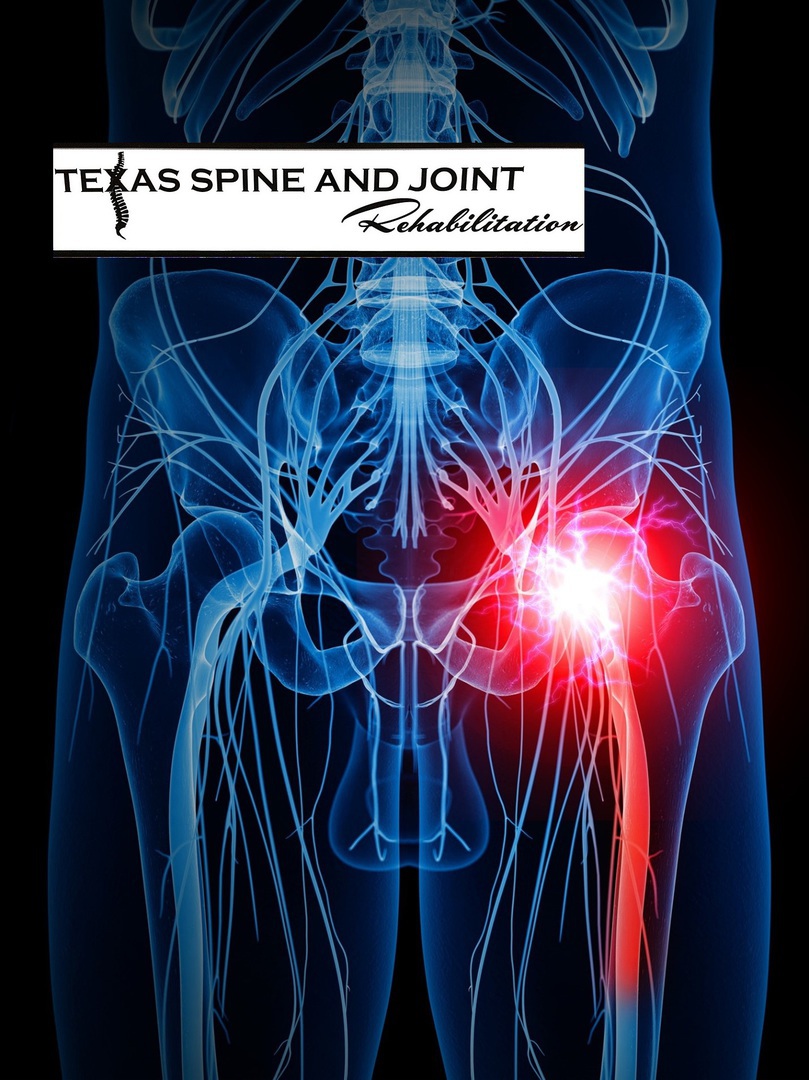
Understanding How a Motor Vehicle Accident Can Lead to Sciatic Nerve Pain
Many people associate sciatica with aging or years of wear and tear on the spine. However, one of the most overlooked causes of sciatica is a motor vehicle accident. Even a relatively low-speed collision can place tremendous force on the lower back, potentially damaging the spinal discs, joints, muscles, and ligaments that surround the sciatic nerve.
If you've recently been involved in a car accident and are experiencing pain that radiates from your lower back into your buttock, hip, or leg, you may be suffering from accident-related sciatica. Understanding the cause of your symptoms and seeking prompt medical evaluation can help prevent long-term pain and disability.
At Texas Spine and Joint Rehabilitation, Dr. Daniel L. Pennell, D.C. specializes in diagnosing and treating auto accident injuries using evidence-based rehabilitation and individualized treatment plans designed to restore function and relieve pain.
What Is Sciatica?
Sciatica is not a diagnosis itself but rather a collection of symptoms caused by irritation or compression of the sciatic nerve, the largest nerve in the human body. The sciatic nerve begins in the lower spine, travels through the pelvis and buttocks, and extends down each leg to the feet.
When this nerve becomes irritated, patients may experience symptoms anywhere along its path. Depending on the severity of the condition, symptoms can range from mild discomfort to severe, debilitating pain that interferes with walking, sitting, sleeping, and everyday activities.
Can a Car Accident Really Cause Sciatica?
Yes.
A motor vehicle accident can generate enough force to injure the structures surrounding the sciatic nerve. Even if your vehicle shows only minor damage, the energy transferred to your body can place significant stress on the lumbar spine.
During a collision, the body is rapidly thrown forward, backward, or sideways while restrained by the seatbelt. These sudden forces may strain muscles and ligaments, injure spinal joints, or damage the intervertebral discs. If a disc bulges or herniates following the accident, it can place pressure on one or more nerve roots that eventually form the sciatic nerve.
This is why many accident victims develop sciatic pain even though they had never experienced lower back problems before the collision.
Common Accident-Related Causes of Sciatica
Several injuries sustained during a motor vehicle accident can contribute to sciatic nerve irritation.
One of the most common causes is a lumbar disc herniation. The tremendous force placed on the spine during impact may cause the outer fibers of a spinal disc to tear, allowing the inner gel-like material to protrude and compress nearby nerves.
Inflammation surrounding injured muscles and joints can also irritate the sciatic nerve. Damage to spinal ligaments, facet joints, or the sacroiliac joint may alter normal movement patterns and place additional stress on the lower back.
In some cases, muscle spasms develop as the body attempts to protect injured tissues. Tightness within the piriformis muscle, located deep within the buttock, can compress the sciatic nerve and contribute to symptoms commonly known as piriformis syndrome.
Signs Your Sciatica May Be Related to Your Car Accident
Symptoms do not always begin immediately after a collision. Adrenaline released during the accident can temporarily mask pain, allowing inflammation to develop over the following hours or days.
Common symptoms include:
- Pain that radiates from the lower back into the buttock or leg
- Burning or shooting pain down one leg
- Numbness or tingling in the thigh, calf, or foot
- Muscle weakness in the leg
- Pain that worsens with prolonged sitting
- Difficulty standing after sitting for extended periods
- Increased pain when coughing, sneezing, or bending forward
If these symptoms develop after a motor vehicle accident, they should be evaluated promptly to determine the underlying cause.
Why Early Diagnosis Is Important
Ignoring sciatic pain after a car accident can allow the underlying injury to worsen.
Persistent nerve irritation may lead to prolonged inflammation, reduced mobility, muscle weakness, and chronic pain that becomes increasingly difficult to treat. Early evaluation allows healthcare providers to identify the source of the symptoms and begin appropriate treatment before long-term complications develop.
Prompt medical documentation also creates an accurate record of accident-related injuries, which may become important during the insurance claims process.
How Sciatica Is Diagnosed After a Car Accident
At Texas Spine and Joint Rehabilitation, Dr. Daniel L. Pennell performs a comprehensive examination to determine the source of your pain rather than simply treating the symptoms.
Your evaluation may include orthopedic testing, neurological examination, muscle strength testing, sensory assessments, reflex testing, range-of-motion measurements, gait analysis, and functional movement testing.
If examination findings suggest a significant disc injury or nerve compression, advanced imaging such as an MRI may be recommended to evaluate the lumbar spine in greater detail.
Treatment for Accident-Related Sciatica
Treatment depends on the severity of the injury and the underlying cause of the sciatic nerve irritation.
Many patients improve with conservative care focused on reducing inflammation, restoring spinal mobility, relieving nerve pressure, and improving strength and flexibility. Treatment plans at Texas Spine and Joint Rehabilitation may include chiropractic care, therapeutic exercise, spinal rehabilitation, soft tissue therapy, neuromuscular re-education, posture correction, and coordination of MRI imaging or specialist referrals when clinically appropriate.
Every rehabilitation program is individualized to help patients recover safely while returning to their normal daily activities as quickly as possible.
When Should You Seek Medical Care?
You should schedule an evaluation as soon as possible if you develop lower back pain that radiates into your leg following a car accident.
Seek immediate medical attention if you experience severe muscle weakness, loss of bowel or bladder control, numbness in the groin area, or rapidly worsening neurological symptoms, as these may indicate a medical emergency.
Even mild symptoms deserve evaluation because early treatment often leads to better outcomes and may help prevent chronic pain.
Comprehensive Auto Accident Care at Texas Spine and Joint Rehabilitation
Dr. Daniel L. Pennell, D.C. and the team at Texas Spine and Joint Rehabilitation are dedicated to helping accident victims recover from injuries affecting the spine, muscles, joints, and nervous system.
Through comprehensive examinations, advanced rehabilitation techniques, individualized treatment plans, and coordination of diagnostic imaging when necessary, our goal is to identify the true source of your pain and help you achieve a full recovery.
If you've recently been involved in a motor vehicle accident and are experiencing symptoms of sciatica, don't ignore the warning signs. Early evaluation can make a significant difference in your recovery and long-term spinal health.
Schedule an Appointment at:
(972) 629-9181
A Receptionist is Available
24 hours - 7 days a week
✅ Same-day appointments
available
✅ We accept auto insurance and personal injury claims
✅ Walk-ins welcome
FAQ Section
Can a car accident cause sciatica?
Yes. Motor vehicle accidents can injure the lumbar spine, herniate discs, inflame surrounding tissues, or compress nerves that contribute to sciatic pain.
What does accident-related sciatica feel like?
Many patients experience pain that starts in the lower back or buttock and radiates down the leg. Burning, tingling, numbness, and weakness are also common symptoms.
Can sciatica appear days after a car accident?
Yes. Adrenaline may temporarily mask pain immediately after a collision, causing symptoms to develop over the next several days as inflammation increases.
Will an MRI show the cause of sciatica?
If a herniated disc or nerve compression is suspected, an MRI can provide detailed images of the discs, nerves, and surrounding soft tissues that are not visible on standard X-rays.
Can accident-related sciatica heal without surgery?
Many cases respond well to conservative treatment, including chiropractic care, rehabilitation, therapeutic exercise, and other non-surgical therapies. Surgery is not necessary for every patient.
When should I see a doctor for sciatica after a car accident?
You should be evaluated as soon as possible if you develop radiating leg pain, numbness, tingling, weakness, or persistent lower back pain following a collision.
Does Texas Spine and Joint Rehabilitation treat sciatica after car accidents?
Yes. Dr. Daniel L. Pennell provides comprehensive evaluations and personalized rehabilitation programs for patients experiencing sciatica and other accident-related spinal injuries.
Schedule an Appointment at:
(972) 629-9181
A Receptionist is Available
24 hours - 7 days a week
✅ Same-day appointments
available
✅ We accept auto insurance and personal injury claims
✅ Walk-ins welcome
 Print
Print